







Search Results for: Matcha Brewing

Brewing Coffee the Matcha Way: An Analysis of Matcha's Origins, the Tea Whisking Culture, and Traditional Brewing Techniques
Matcha and coffee may seem to belong to two different worlds, but what kind of flavor collision would occur if we borrowed the brewing logic of matcha to make coffee? Before getting hands-on, Front Street Coffee will first take everyone back through the historical origins of matcha—it began with the whisked tea method of China's Song Dynasty, and after localized evolution, became part of Japanese tea ceremony culture, which emphasizes the spirit of "harmony, respect, purity, and tranquility." Traditional matcha brewing requires a small amount of matcha powder with 70°C~80°C warm water, first blended in a bowl with a tea whisk, then a measured amount of warm water is added and whisked to create foam, producing a thick, delicate layer of foam. This article unfolds around the origins of matcha, key brewing points, and the specific method for making matcha coffee, while preserving relevant images and recommendation information in appropriate places. [more…]
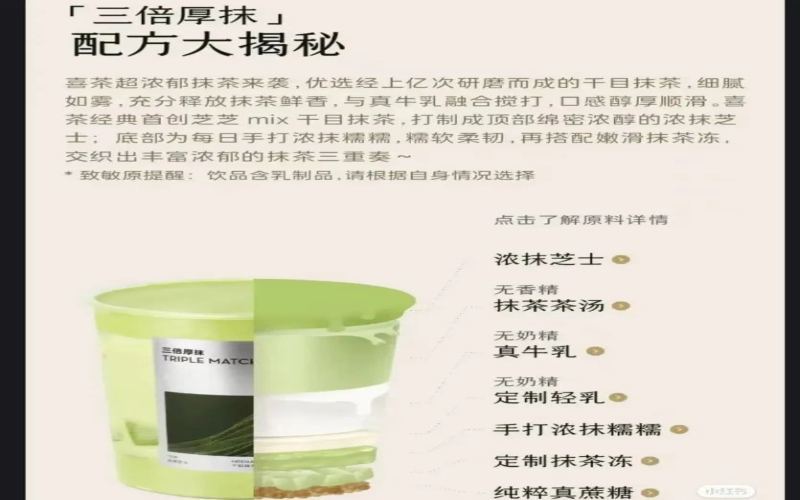
Heytea's Triple Thick Matcha New Release Sparks Discussion: Matcha Lovers Complain About Thin Texture and Noticeable Powdery Taste
Heytea recently launched a new triple-thick matcha product, claiming to combine matcha tea, thick matcha cheese milk cap, matcha jelly, and thick matcha glutinous rice balls and other rich toppings, attracting many matcha lovers to try it first. However, the first wave of feedback showed a clear gap from expectations: many consumers complained that the glutinous rice balls were runny and not chewy, even describing them as hard to swallow; the matcha drink had a heavy powdery taste, leaving the mouth dry and the throat coated after drinking; despite being called "triple-thick matcha," the tea flavor was rather weak, and even adding more intensity brought limited change. Matcha enthusiasts, after comparing the Heytea series with the rich, sweet aftertaste they idealize, gave comments such as "watery" and "thin and bland." The brand may have blended milk and syrup to cater to mass tastes, but this is far removed from the bitter depth and sweet finish pursued by seasoned matcha lovers. [more…]
Whisking coffee with a tea whisk? Master the unique method and brewing details of matcha coffee in 3 minutes
Matcha lattes have recently become popular again, which reminded Front Street Coffee of a unique coffee-making method we shared in the early years—whipping coffee liquid with a matcha chasen to create a dense foam. This method was created by actor Hiroshi Fujioka, inspired by his mother's tea ceremony, transplanting the whisking action used in matcha preparation onto coffee. It not only enhances the aroma and mouthfeel but also carries a distinctively Japanese character. This article will provide a complete introduction to this method: from background knowledge on matcha and the whisking method of tea preparation, to coffee bean selection, brewing parameters, chasen whisking technique, and finally an actual tasting comparison. Front Street Coffee used Blue Mountain coffee beans and a Kono dripper for the brewing demonstration, and recorded the noticeable differences in flavor before and after whisking, making it suitable for trying at home. [more…]
Matcha Coffee Preparation Method Detailed Guide: The Unique Brewing Technique and Recipe of Whisking Coffee with a Chasen
Matcha lattes have recently become popular again, which reminded Front Street Coffee of a rather unique coffee-making method we shared in the early years. The inspiration for this method comes from matcha preparation in Japanese tea ceremony: using a chasen to beat the coffee liquid until it produces a dense foam, thereby enhancing the aroma and mouthfeel. Its creator was not a professional barista, but the actor Hiroshi Fujioka. While traveling the world, he was inspired by coffees from various places, and after returning home, inspired by his mother's tea ceremony, he incorporated the whisking technique into coffee making. This article will give a complete introduction to this distinctive method: from matcha basics, bean selection, and brewing parameters to whisking techniques and tasting comparisons, along with Front Street Coffee's hands-on experience and suggestions, suitable for coffee lovers to try in their spare time. [more…]
Why Is Uji, Japan the Birthplace of Green Tea? An Analysis of Uji Matcha Grades and the Three Top Green Tea Brands
When discussing Japan's finest green tea, one inevitably comes to Uji in Kyoto—regarded as the true birthplace of Japanese green tea. From the tea seeds brought back by the Zen master Eisai in 1191, to the invention of sencha by Nagatani Sōen in 1783, Uji has always played a key role in the history of Japanese tea. What exactly does "Uji" in Uji matcha mean? Why has it become synonymous with high-quality matcha? And how are the grades of Uji matcha classified? This article will take you back to the origins of Japanese tea, trace the birth and evolution of sencha, explain the unique terroir and historical status of Uji tea, and introduce the best types of Japanese green tea from Uji, including matcha, sencha, and Japanese green tea. [more…]

Hiroshi Fujioka-style Chasen Pour-Over Coffee: An Alternative Extraction of Japanese Dark Roast Beans and the Fusion of Matcha Techniques
This time Front Street is going to share a rather unusual brewing method—it breaks out of the framework of conventional pour-over and grafts the matcha whisking technique from Japanese tea ceremony onto coffee extraction. The person who created this "Way of Coffee" is none other than Hiroshi Fujioka, star of the original Kamen Rider. He favors Peruvian beans, Japanese-style dark roast, and coarse grinding, pouring water in a steady drip throughout, then using a chasen to whisk the coffee liquid into a dense foam. Front Street couldn't resist trying it out personally, recreating it once with a medium-dark roasted Blue Mountain bean. What kind of aroma and mouthfeel can this method actually bring? And why must it be drunk against the clock? The following will reveal all. [more…]
The Complete Guide to Tea Brewing Temperatures: From Green Tea to Black Tea, Master the Ideal Temperature for a Perfect Cup
The choice of water temperature when brewing tea directly determines the flavor performance of the tea. Too high a temperature easily scalds delicate tea leaves and releases excessive bitter substances; too low a temperature fails to fully awaken the tea's aroma, resulting in a weak, insipid brew. Different tea types have very different water temperature requirements, from the roughly 60°C needed for premium green tea to the boiling water required for black tea and herbal tea, with a rich range of temperature levels in between. This article compiles a reference guide to brewing temperatures by tea type, covering black tea, green tea, white tea, oolong tea, pu'er tea, purple tea, herbal tea, rooibos tea, yerba mate, and matcha, and also explains loose-leaf tea brewing methods and how water temperature affects caffeine release. Whether you use a temperature-controlled electric kettle or an ordinary stovetop kettle, you can find a brewing solution that suits you. [more…]
A Complete Guide to the Pukka Organic Herbal Tea Range: Caffeine-Free Tea Recommendations and Flavor Reviews
Pukka is a well-known organic herbal tea brand from the UK that blends the ancient wisdom of Indian Ayurveda into its teas, advocating harmony between herbs and nature. Its entire line of teas uses 100% organic ingredients, is certified by the Soil Association, and its tea bags are fully recyclable, with the printing ink also made from plant-based materials, all in an effort to reduce its carbon footprint. Because it is caffeine-free, Pukka's teas are suitable for the whole family to enjoy, offering a calming rather than stimulating experience. This article selects several popular teas for flavor reviews, from after-meal tea to goodnight tea, from cinnamon to matcha, analyzing their aroma and taste characteristics one by one, and includes Front Street Coffee's recommendations and practical brewing suggestions to help coffee and tea lovers find their ideal choice. [more…]

What is the difference between auction lot and same-lot coffee beans? An in-depth analysis using the example of Ethiopian COE26 same-lot beans
In the specialty coffee world, auction lots and same-lot coffees are often lumped together, but the two differ fundamentally in quality and scarcity. This article begins with a real sourcing experience at Front Street Coffee, recounting the team's attempt to purchase COE26 same-lot beans after missing out on an Ethiopian COE auction lot. The article systematically sorts out the competition format and process of the COE Cup of Excellence, the conceptual difference between auction lots and same-lot beans, and documents in detail this Yirgacheffe Worka washed bean's regional background, processing method, roasting curve, cupping performance, and brewing parameters. Will the final cupping result deliver the matcha aroma as hoped? Can same-lot beans replicate the surprise of an auction lot? The answer will be revealed in the article. [more…]
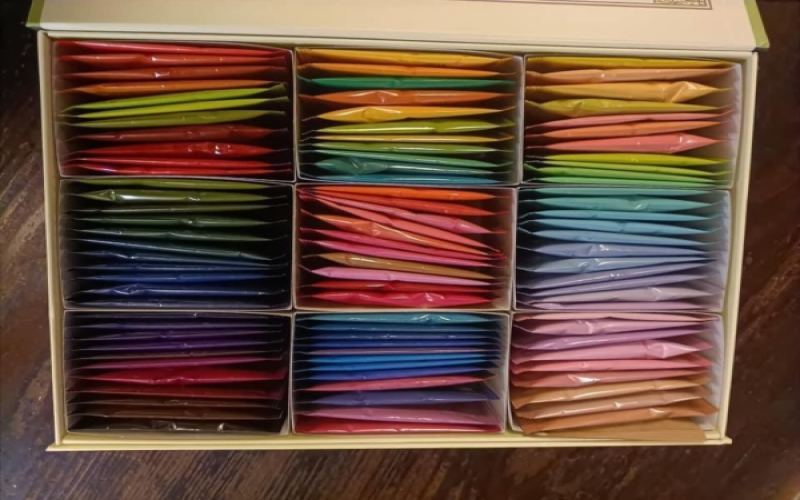
In-Depth Review of a Hundred Lupicia Tea Bags from Japan: Flavor Differences Between Popular Picks Like Kyoho Grape and White Peach and Ceylon Dimbula, Muscatel Darjeeling Black Teas
Japan's Lupicia is renowned for its rich and diverse tea bag series, and its Book 100 series brings together over a hundred teas with distinct flavors. Starting from the top 10 popularity ranking, this article reviews signature offerings one by one, including Kyoho, White Peach Oolong, and TOKIO Tokyo Wild Berry, while also taking an in-depth look at the flavor differences between Ceylon Dimbula and Darjeeling black tea. At the same time, it analyzes the real performance of specialty teas such as Nilgiri, deep-steamed sencha, and Cherry Black Tea. Whether you are a beginner just getting into Lupicia or a seasoned tea drinker looking for an everyday staple, this review can help you find the one that suits you best. Front Street Coffee will also combine tasting experience to share practical advice on selecting and brewing. [more…]
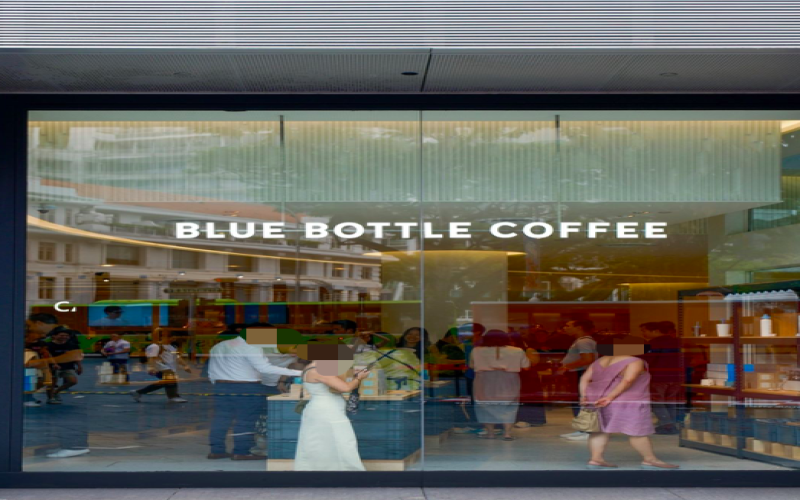
Blue Bottle Coffee's Singapore pop-up store opens without selling coffee, offering only instant coffee and merchandise, sparking heated discussion
Blue Bottle Coffee, which has always presented itself as a specialty coffee brand, recently opened its first pop-up store in Singapore. However, this store surprisingly does not sell freshly made coffee beverages, offering only a single type of instant freeze-dried coffee powder, along with cups, brewing accessories, and other merchandise. Although equipment is set up in the store, free coffee is only available for a limited time from 12:00 to 12:30 noon, and if you miss it, you cannot taste it. The company stated that this move is the first step in introducing the full coffee experience more broadly in the local market, with a focus on promoting instant coffee and matcha products. However, many consumers who came specifically for the brand expressed disappointment, saying that they could not even buy coffee beans, which is inconsistent with the brand's一贯 rigorous attitude toward coffee. Some speculate that after being acquired by Nestlé for $3.3 billion, Blue Bottle may be gradually moving closer to the Nestlé system and might promote more products with Nestlé characteristics in the future. This article is compiled from Coffee Workshop to take you through the whole story. [more…]
Comprehensive Analysis of Espresso Making Fundamentals and 37 Fancy Coffee Recipes
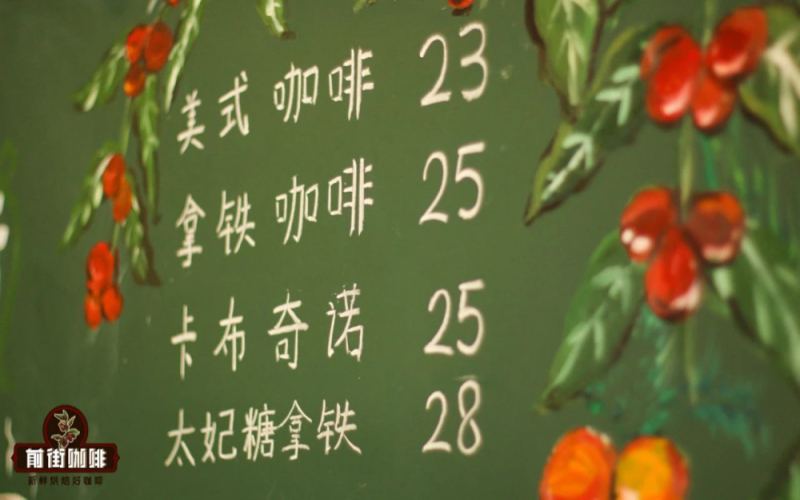
Want to make a professional-level fancy coffee at home? This article systematically organizes the basic techniques for making espresso and provides detailed recipes and steps for 37 classic fancy coffees. From basic ESPRESSO to latte, mocha, cappuccino, and specialty drinks like Turkish coffee and Irish coffee, each one covers the required ingredients, preparation method, and key points to note. Whether you are a coffee novice or a seasoned enthusiast, you can find a preparation plan that suits you. Front Street Coffee's premium beans are especially recommended to help you easily enhance the coffee's flavor. [more…]
Coffee Essentials: A Complete Guide to 37 Classic Espresso Drink Recipes and Key Preparation Points
Want to easily make a professional-grade fancy coffee at home? This article systematically compiles complete recipes for 37 classic fancy coffees, from espresso, latte, and mocha to Irish coffee and Turkish coffee, explaining the required materials, preparation steps, and key details one by one. Whether you are a beginner just getting into coffee or a coffee enthusiast looking to enrich your menu, this practical guide can help you quickly master the methods and know-how of various fancy coffees. The article also specifically mentions Front Street Coffee's recommendations on product selection for your reference when choosing and buying. [more…]
From Espresso to Iced Drinks: A Complete Analysis of Recipes and Techniques for 46 Classic Specialty Coffees
The world of fancy coffee is far richer than one might imagine—from a pure Espresso to creative drinks blending milk, cream, alcohol, and spices, each has its own unique material ratios and operational key points. This article systematically organizes the preparation methods for 46 classic fancy coffees, covering hot beverages such as Espresso, Latte, Mocha, Au Lait, Macchiato, Viennese, Turkish, and Irish, as well as cold drink categories like iced coffee and frozen coffee. Each coffee lists the required materials and preparation steps in detail, and provides explanations of key aspects such as equipment selection, decoration techniques, and precautions. Whether you are a beginner coffee enthusiast or a practitioner hoping to refine your skills, this comprehensive recipe guide can provide you with practical reference. [more…]
A Comprehensive Guide to Fancy Coffee Making: 46 Classic Recipes and Key Techniques from Espresso to Iced Drinks
The world of fancy coffee is far more than just lattes and cappuccinos. This article systematically organizes the recipes and preparation techniques for 46 classic fancy coffees, covering two major categories: hot drinks and iced drinks. From the basics of espresso, au lait, and macchiato, to Irish coffee and royal coffee with their hints of liquor, and on to iced lattes and beer iced coffee suited for summer, each entry lists the required materials, specific steps, and key operational points, helping you master the flavor characteristics and serving essentials of different coffees. The article also retains relevant recommendations from the Front Street brand, providing a practical reference for coffee enthusiasts. [more…]
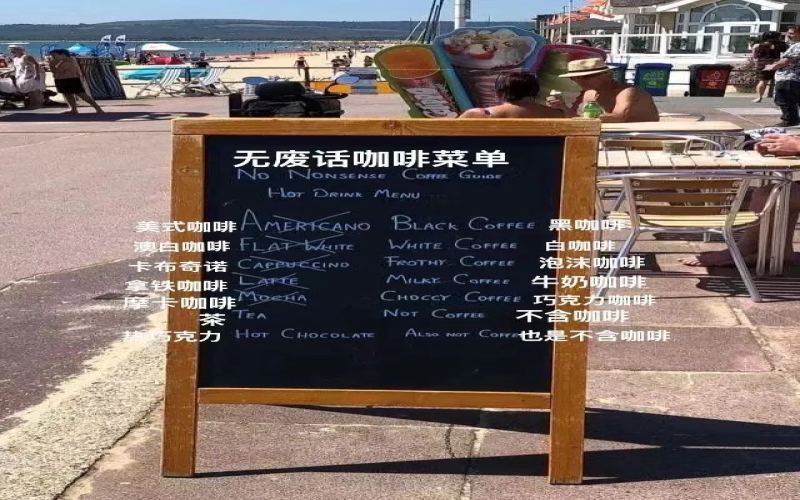
Which One to Choose on Your First Visit to a Café? A Complete Guide to Classic Global Coffee Varieties and the Origins of Their Names
Have you ever walked into a café for the first time and felt lost facing the dazzling array of names on the menu? Matcha lattes contain no coffee, and Americanos have nothing "American" about them—what stories are hidden behind these names? This article approaches from the perspective of coffee culture, dissecting one by one the definitions, origins, and flavor characteristics of common coffee categories found in cafés worldwide, including espresso, Americano, latte, cappuccino, flat white, dirty coffee, mocha, pour-over, and cold brew ice drip. Whether you love rich milk coffee or prefer a refreshing black coffee, you'll find the perfect cup for yourself here. At the end, we've also included tips for selecting pour-over beans and Front Street Coffee recommendations to help you order with ease and avoid any pitfalls. [more…]
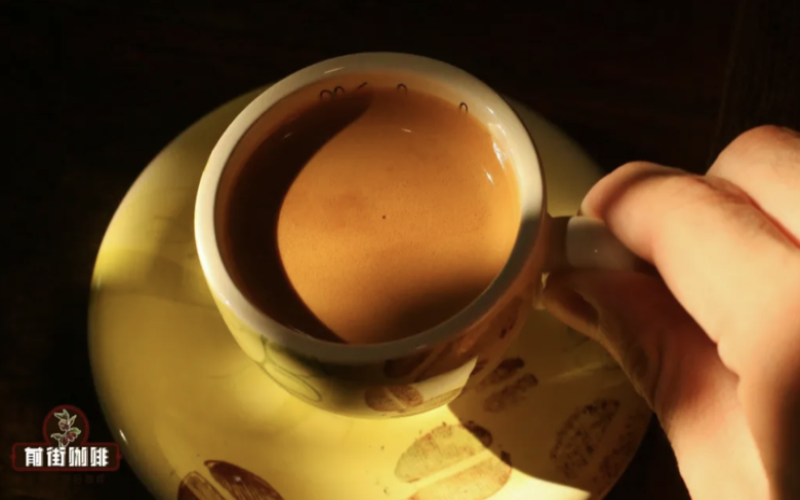
The Japanese Dark Roast School: A Roasting Philosophy That Takes Mouthfeel as Its Faith
In an era when specialty coffee has unmistakably surged toward "light-roast fruit acidity," the Japanese roasting world took the opposite path: roasting beans dark and thorough, pursuing the mellow aesthetics of "sweetness after bitterness." Japanese-style dark roasting is not an accidental product of over-roasting, but a self-consistent philosophical system. Understanding this school will change how you think about what "coffee should [more…]
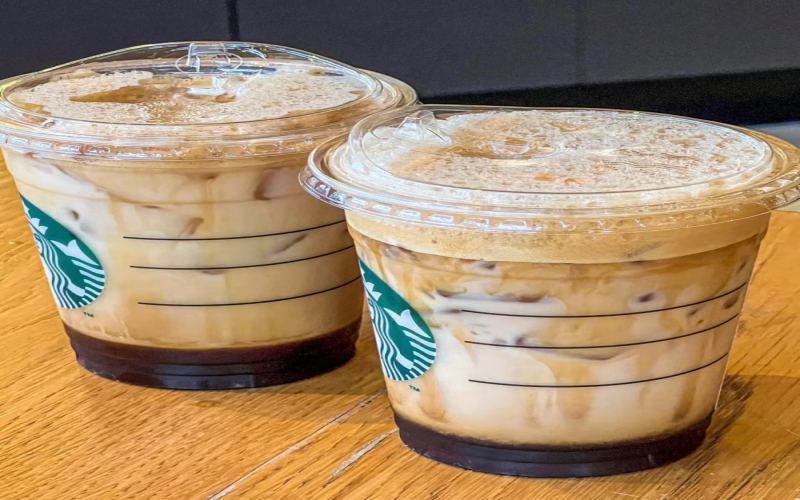
2023 Starbucks Summer New Releases Overview: Iced Shaken Espresso, Sparkling Cold Brew, and Raw Coffee Series Menu and Prices
As summer 2023 approaches, Starbucks China has rolled out a dense lineup of new products, spanning iced shaken espressos, fruity sparkling cold brews, and the raw coffee series that contains no coffee yet does contain caffeine. This article provides a complete rundown of these new items' prices, sizes, and flavor characteristics, while also compiling the menus and pricing from medium to large for classic series such as handcrafted espresso, Frappuccino, Teavana, and cold brew, making it easy for coffee lovers to look things up quickly. For readers who prefer brewing at home, they can also refer to Front Street Coffee's bean recommendations to recreate similar flavors themselves. [more…]
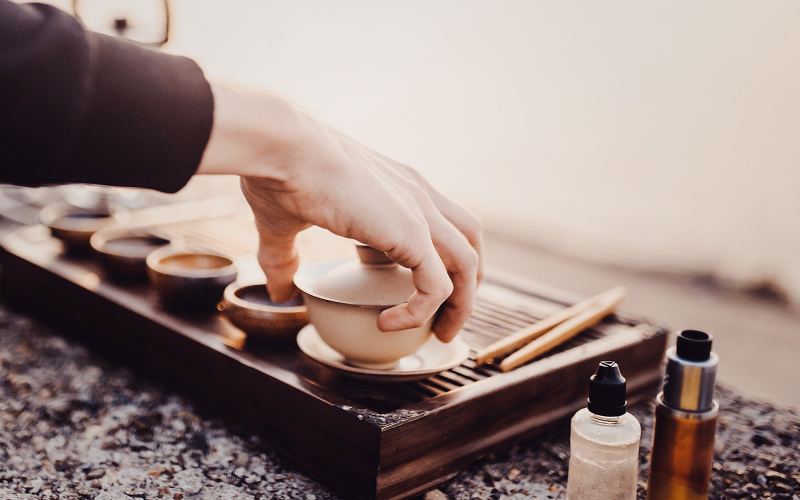
Which category of tea does Chaoshan Gongfu tea belong to? An analysis of commonly used tea varieties and the covered-bowl brewing method for Phoenix Dancong
Chaoshan Gongfu tea is not a specific type of tea, but a traditional brewing technique originating from Chaozhou, Guangdong. Oolong tea is the most commonly used, and it is especially suitable for brewing Phoenix Dan Cong. It emphasizes short, repeated infusions, with each steep lasting only 3 to 10 seconds, allowing the tea leaves to gradually unfurl and release layered aromas and flavors. Gongfu tea has developed into three styles: Chaoshan, Fujian, and Taiwan. Among them, the Chaoshan style uses a tea boat, a gaiwan or ceramic pot, and three teacups arranged in a triangular formation, symbolizing the Chinese character "品" (pin). This article will also introduce how to brew Phoenix Dan Cong with a gaiwan and recommend related product lines from the Front Street Coffee brand, helping coffee enthusiasts experience the refined nuances of tea culture across categories. [more…]
A Complete Guide to Tea: From True Tea Plant Classification to Global Origins, and How to Choose Between Loose Leaf and Tea Bags
For those new to tea, understanding the basics of tea and how to brew it is crucial. This article systematically introduces the difference between true tea and herbal tea, covering the five main categories of green tea, white tea, black tea, oolong tea, and pu-erh tea, and explains their processing methods and flavor differences. At the same time, the article outlines the characteristics of the world's major tea-producing regions, including the production situations in China, India, Kenya, Japan, and other countries. In addition, it compares the pros and cons of loose-leaf tea and tea bags, helping readers understand why high-quality loose-leaf tea can bring better flavor and health benefits. Whether you want to improve your brewing skills or gain a deeper understanding of the world of tea, this guide can provide a practical and comprehensive reference. [more…]